

Polylactic Acid (PLA)
Industrial compostable
A plant-based material made from corn or sugarcane starch. It looks and works like clear plastic, but it doesn't come from oil, and it composts in an industrial facility.At TAGE, we use PLA only where other options do not work for that particular product.
What it is
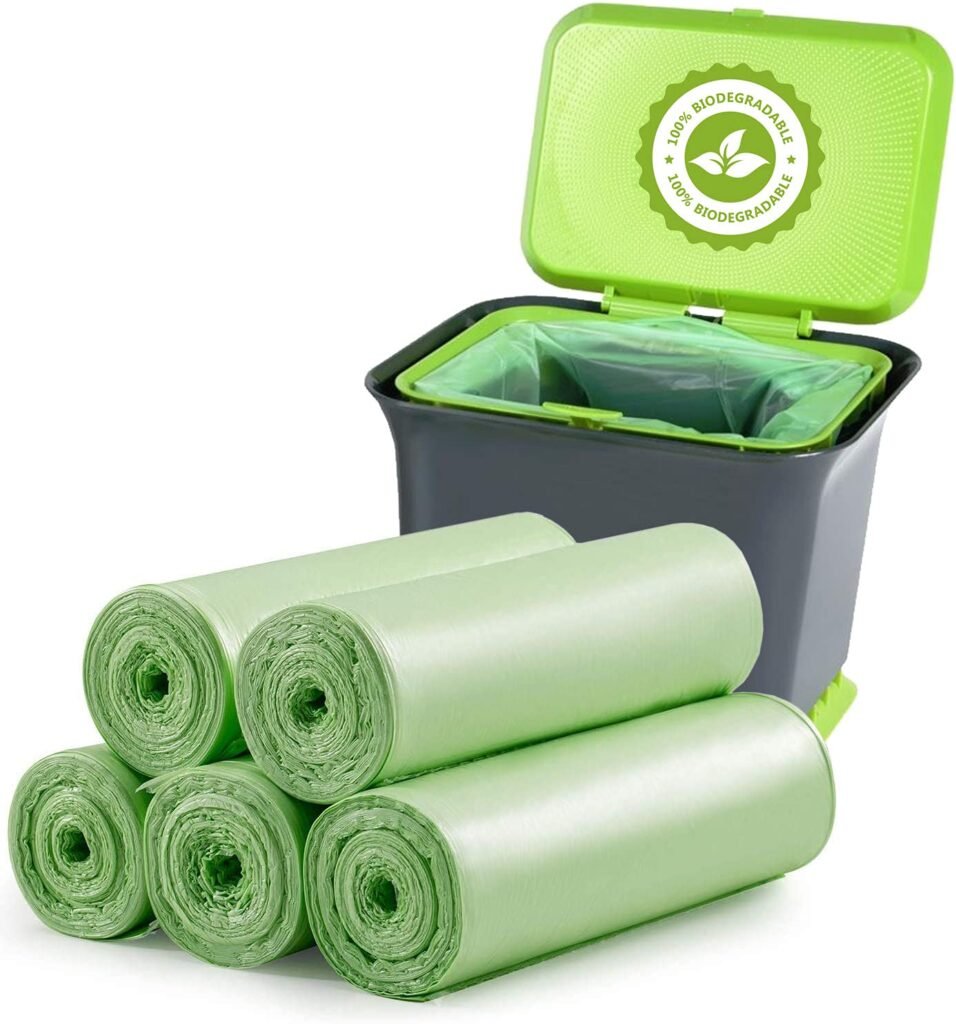
PLA (polylactic acid) is made by fermenting plant sugars, usually from corn or sugarcane, into a material that can be moulded like plastic. It is often used for flexible material like straws, gloves & garbage bags.
Why it’s better
A lot of packaging is sold as green. Here is what each option is actually made of, and what happens to it after the meal.
| Ours Polylactic Acid (PLA) | BaselinePlastic | Sold as ecoPlastic-lined paper | Sold as ecoPlastic-coated paper | |
|---|---|---|---|---|
| Made from | Plant starch (corn or sugarcane) | Oil or natural gas | Paper with a thin plastic film inside | Paper or board with a plastic coat |
| Hot, oily food | No, cold food and drinks only | Holds, but can soften and release chemicals when hot | Holds, but the plastic film touches your food | Holds, but the coat touches your food |
| Microwave | No | Only some types | Varies, check the pack | Varies, check the pack |
| Breaks down | About 24 weeks in industrial facility | Doesn’t. Lasts centuries, as microplastics | The paper does; the film stays | The paper does; the coat stays |
| The real difference | Looks and feels like plastic, but isn't | Here for centuries after one meal | Plastic hidden inside paper | A plastic coat, sold as paper |
Products
1 product, industrial compostable.
After use
Other materials
Book a free 15-minute consultation. We’ll recommend the right range, price and delivery schedule for your menu. No commitment.