
Our materials
Made from waste. Checked before we sell it.
Sugarcane fibre, palm leaf, coconut leaf, coated paper and spent coffee. Here’s what each one is good for, and what happens after the meal.
What will you use it for?
-

01Plates, bowls & containersGood fit
Bagasse
Sugarcane fibre left after juicing, pressed with heat. Holds hot, oily food without a plastic lining.
Breaks down · 12 – 24 Weeks
Best for · Rice & biryani, Catering & events
Why it works
- Hot safe
- Microwave safe
- Freezer safe
- Oil & grease resistant
- Leak resistant
- Stackable
-

02Cups & DrinkwareGood fit
After Brew Edition
Waste from coffee beans, once extracted, that have so much potential.
Breaks down · 12 – 24 Weeks
Best for · Cold drinks, Cutlery & extras
Why it works
- Hot safe
- Cold safe
- Oil & grease resistant
- Water resistant
- No plastic lining
- Plant-based
-
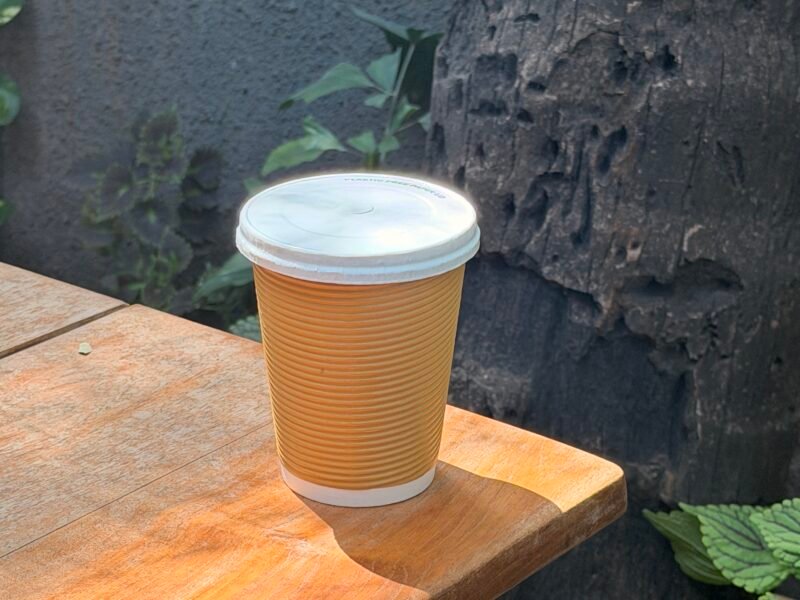
03Containers & CupsGood fit
Aqua Edition
Paper cups & containers with a water-based coating instead of the usual plastic lining.
Breaks down · Weeks to months
Best for · Rice & biryani, Fried & dry snacks, Hot drinks
Why it works
- Hot safe
- Cold safe
- Oil & grease resistant
- Leak resistant
- No plastic lining
-
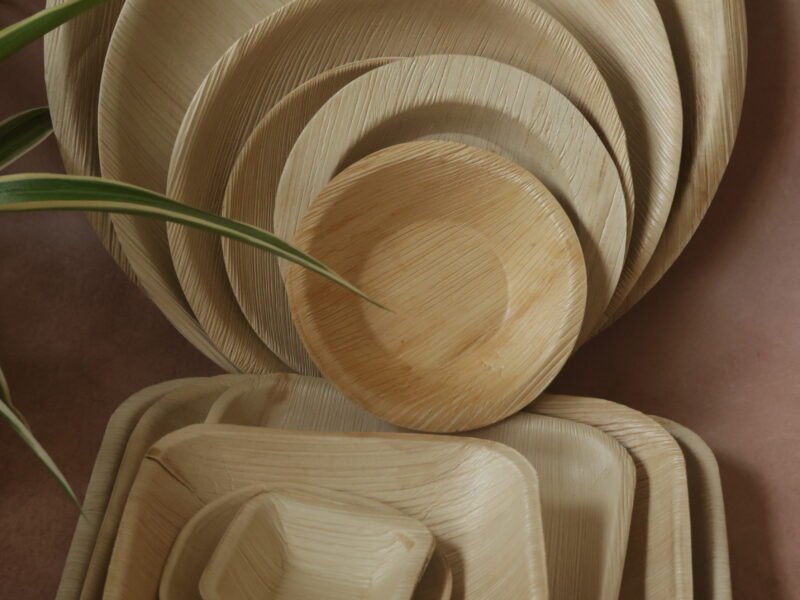
04Tableware – Plates & bowlsGood fit
Areca Leaf
Areca palm leaves, washed and heat-pressed. No glue, no harsh chemicals.
Breaks down · About 2 months
Best for · Hot curries & gravies, Rice & biryani, Fried & dry snacks, Cutlery & extras, Catering & events
Why it works
- Hot safe
- Cold safe
- Microwave safe
- Oil & grease resistant
- No glue or chemicals
- Plant-based
-

05StrawsGood fit
CocoCraft Edition
Dried coconut leaf, naturally water-resistant. Made by hand from leaves that would otherwise be burned or discarded.
Breaks down · 8-12 Weeks
Best for · Cold drinks, Cutlery & extras
-
06CutleryGood fit
Wood & Bamboo
Responsibly sourced birch wood and bamboo. No plastic coating.
Breaks down · 2–6 months (industrial)
-

07Clear cups, lids & containersGood fit
Polylactic Acid (PLA)
Plant-based plastic made from corn or sugarcane starch. It is often used as it is flexible and clear like plastic.
Breaks down · Months (industrial)
Best for · Cold drinks




Which one for what
Find your dish, read across.
Not on the list? Tell us the dish and how far it travels, and we’ll suggest a material.
“–” means we wouldn’t use it for that.
| You’re packing | Bagasse | After Brew Edition | Aqua Edition | Areca Leaf | CocoCraft Edition | Polylactic Acid (PLA) |
|---|---|---|---|---|---|---|
| Hot curries & gravies | Good | Not suited | Good | Best | Not suited | Not suited |
| Rice & biryani | Best | Not suited | Best | Best | Not suited | Works |
| Fried & dry snacks | Good | Not suited | Best | Best | Not suited | Works |
| Hot drinks | Not suited | Good | Best | Not suited | Not suited | Not suited |
| Cold drinks | Not suited | Best | Good | Not suited | Best | Best |
| Cutlery & extras | Not suited | Best | Not suited | Best | Best | Good |
| Catering & events | Best | Good | Good | Best | Not suited | Not suited |
- Areca LeafTableware – Plates & bowlsBest
- BagassePlates, bowls & containersGood
- Aqua EditionContainers & CupsGood
- After Brew EditionCups & DrinkwareNot suited
- CocoCraft EditionStrawsNot suited
- Polylactic Acid (PLA)Clear cups, lids & containersNot suited
- BagassePlates, bowls & containersBest
- Aqua EditionContainers & CupsBest
- Areca LeafTableware – Plates & bowlsBest
- Polylactic Acid (PLA)Clear cups, lids & containersWorks
- After Brew EditionCups & DrinkwareNot suited
- CocoCraft EditionStrawsNot suited
- Aqua EditionContainers & CupsBest
- Areca LeafTableware – Plates & bowlsBest
- BagassePlates, bowls & containersGood
- Polylactic Acid (PLA)Clear cups, lids & containersWorks
- After Brew EditionCups & DrinkwareNot suited
- CocoCraft EditionStrawsNot suited
- Aqua EditionContainers & CupsBest
- After Brew EditionCups & DrinkwareGood
- BagassePlates, bowls & containersNot suited
- Areca LeafTableware – Plates & bowlsNot suited
- CocoCraft EditionStrawsNot suited
- Polylactic Acid (PLA)Clear cups, lids & containersNot suited
- After Brew EditionCups & DrinkwareBest
- CocoCraft EditionStrawsBest
- Polylactic Acid (PLA)Clear cups, lids & containersBest
- Aqua EditionContainers & CupsGood
- BagassePlates, bowls & containersNot suited
- Areca LeafTableware – Plates & bowlsNot suited
- After Brew EditionCups & DrinkwareBest
- Areca LeafTableware – Plates & bowlsBest
- CocoCraft EditionStrawsBest
- Polylactic Acid (PLA)Clear cups, lids & containersGood
- BagassePlates, bowls & containersNot suited
- Aqua EditionContainers & CupsNot suited
- BagassePlates, bowls & containersBest
- Areca LeafTableware – Plates & bowlsBest
- After Brew EditionCups & DrinkwareGood
- Aqua EditionContainers & CupsGood
- CocoCraft EditionStrawsNot suited
- Polylactic Acid (PLA)Clear cups, lids & containersNot suited
“–” means we wouldn’t use it for that. Dish not listed? WhatsApp us.
What we don’t sell
Sold as “eco”. Not on our shelves.
- Conventional plastic Centuries, into microplastics
- Plastic-lined paper A plastic barrier hidden inside
- Plastic-coated paper A plastic coat, sold as paper
For makers
Make a material we don’t stock?
Plant-based, plastic-free and ready to scale? Get in touch. We’re happy to onboard you.
Compared
BagasseAfter Brew EditionAqua EditionAreca LeafCocoCraft EditionWood & BambooPolylactic Acid (PLA) vs. what’s sold as “eco”.
Pick any of our materials in the first column to see how it compares.
| Ours | BaselinePlastic | Sold as ecoPlastic-lined paper | Sold as ecoPlastic-coated paper | |
|---|---|---|---|---|
| Made from | Sugarcane pulp left after juicing the sugarcane.Coffee Waste, Agricultural Waste, Bio-based polymersPaper with a water-based coatingAreca palm leafDried coconut leafBirch wood and bambooPlant starch (corn or sugarcane) | Oil or natural gas | Paper with a thin plastic film inside | Paper or board with a plastic coat |
| Plastic in it | —NoneNoneNoneNoneNone— | All of it | A film on the side that touches food | A coat on the surface |
| Hot, oily food | YesYesYesYes——No, cold food and drinks only | Holds, but can soften and release chemicals when hot | Holds, but the plastic film touches your food | Holds, but the coat touches your food |
| Microwave | Yes——Yes——No | Only some types | Varies, check the pack | Varies, check the pack |
| Breaks down | 12 – 24 Weeks12 – 24 WeeksWeeks to monthsAbout 2 months8-12 Weeks2–6 months (industrial)About 24 weeks in industrial facility | Doesn’t. Lasts centuries, as microplastics | The paper does; the film stays | The paper does; the coat stays |
| The real difference | Farm waste, not fossil fuelCafé waste diverted from going to the landfillNo hidden plastic liningAreca palm leaf, pressed and shapedFarm waste that is often incinerated otherwiseRenewable materialsLooks and feels like plastic, but isn't | Here for centuries after one meal | Plastic hidden inside paper | A plastic coat, sold as paper |
- Made from
- Bagasse: Sugarcane pulp left after juicing the sugarcane.After Brew Edition: Coffee Waste, Agricultural Waste, Bio-based polymersAqua Edition: Paper with a water-based coatingAreca Leaf: Areca palm leafCocoCraft Edition: Dried coconut leafWood & Bamboo: Birch wood and bambooPolylactic Acid (PLA): Plant starch (corn or sugarcane)
- Plastic: Oil or natural gas
- Plastic-lined paper: Paper with a thin plastic film inside
- Plastic-coated paper: Paper or board with a plastic coat
- Plastic in it
- Bagasse: —After Brew Edition: NoneAqua Edition: NoneAreca Leaf: NoneCocoCraft Edition: NoneWood & Bamboo: NonePolylactic Acid (PLA): —
- Plastic: All of it
- Plastic-lined paper: A film on the side that touches food
- Plastic-coated paper: A coat on the surface
- Hot, oily food
- Bagasse: YesAfter Brew Edition: YesAqua Edition: YesAreca Leaf: YesCocoCraft Edition: —Wood & Bamboo: —Polylactic Acid (PLA): No, cold food and drinks only
- Plastic: Holds, but can soften and release chemicals when hot
- Plastic-lined paper: Holds, but the plastic film touches your food
- Plastic-coated paper: Holds, but the coat touches your food
- Microwave
- Bagasse: YesAfter Brew Edition: —Aqua Edition: —Areca Leaf: YesCocoCraft Edition: —Wood & Bamboo: —Polylactic Acid (PLA): No
- Plastic: Only some types
- Plastic-lined paper: Varies, check the pack
- Plastic-coated paper: Varies, check the pack
- Breaks down
- Bagasse: 12 – 24 WeeksAfter Brew Edition: 12 – 24 WeeksAqua Edition: Weeks to monthsAreca Leaf: About 2 monthsCocoCraft Edition: 8-12 WeeksWood & Bamboo: 2–6 months (industrial)Polylactic Acid (PLA): About 24 weeks in industrial facility
- Plastic: Doesn’t. Lasts centuries, as microplastics
- Plastic-lined paper: The paper does; the film stays
- Plastic-coated paper: The paper does; the coat stays
- The real difference
- Bagasse: Farm waste, not fossil fuelAfter Brew Edition: Café waste diverted from going to the landfillAqua Edition: No hidden plastic liningAreca Leaf: Areca palm leaf, pressed and shapedCocoCraft Edition: Farm waste that is often incinerated otherwiseWood & Bamboo: Renewable materialsPolylactic Acid (PLA): Looks and feels like plastic, but isn't
- Plastic: Here for centuries after one meal
- Plastic-lined paper: Plastic hidden inside paper
- Plastic-coated paper: A plastic coat, sold as paper
Not sure which fits your menu?
Send us your dishes. We’ll match a material to each and send one price, delivery included.