Industrial compostable
PLA: clear like plastic, made from plants.
A plant-based material made from corn or sugarcane starch. It looks and works like clear plastic, but it doesn't come from oil, and it composts in an industrial facility.At TAGE, we use PLA only where other options do not work for that particular product.
- Made from
- Plant starch (corn or sugarcane), not petroleum
- Best for
- Cold drinks, salads, desserts, dips, straws, clear lids
- Breaks down
- Industrial compost facility in about 24 weeks
What it is
Plant starch, turned into a clear material.
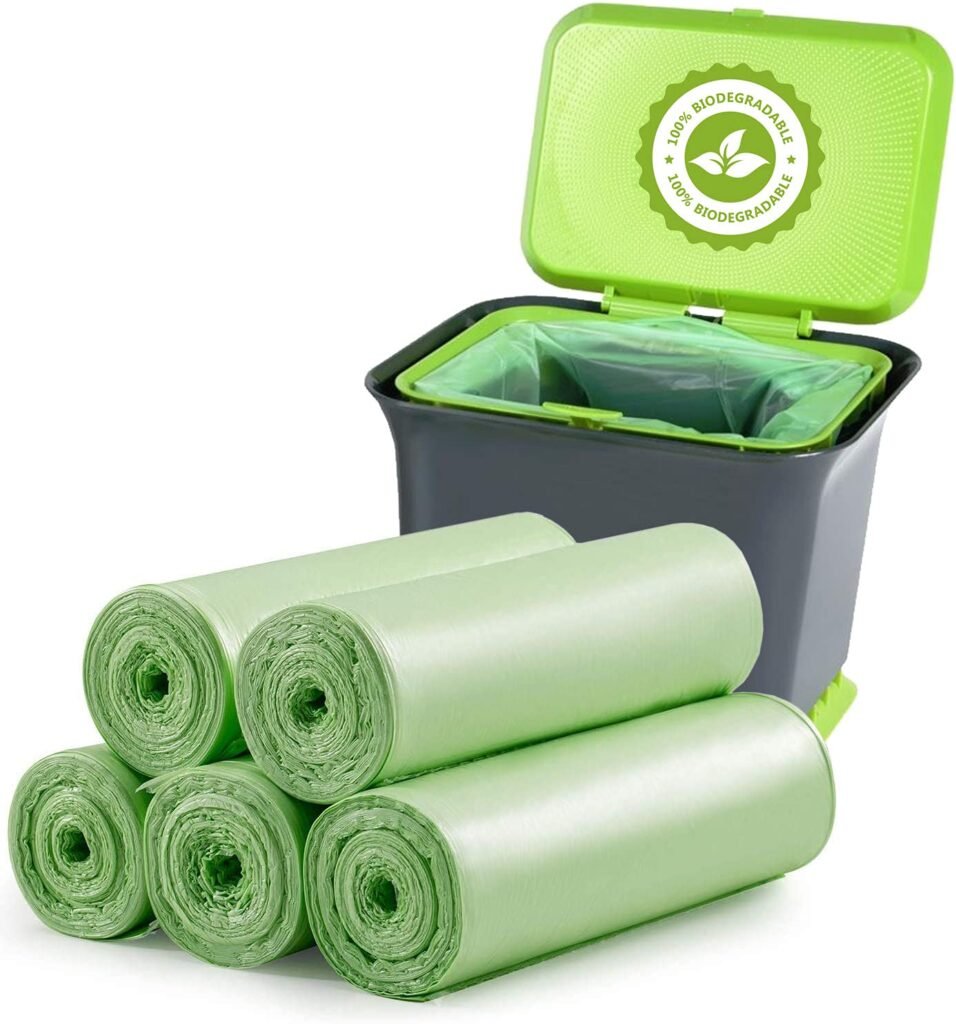
PLA (polylactic acid) is made by fermenting plant sugars, usually from corn or sugarcane, into a material that can be moulded like plastic. It is often used for flexible material like straws, gloves & garbage bags.
Why it’s better
The clear option without the plastic.
- Clear PLA can be a substitute for plastic where clear packaging is needed.
- Plant based Whilst PLA looks and feels like plastic, it is made from renewable materials like sugarcane and corn.
- Lightweight Can be moulded into cups, lids and films for a variety of cold-food and beverage packaging applications.
- Oil & Grease Resistance PLA packaging is often clear & resistant to oil & grease.
Polylactic Acid (PLA) vs. what’s sold as “eco”.
A lot of packaging is sold as green. Here is what each option is actually made of, and what happens to it after the meal.
| Ours Polylactic Acid (PLA) | BaselinePlastic | Sold as ecoPlastic-lined paper | Sold as ecoPlastic-coated paper | |
|---|---|---|---|---|
| Made from | Plant starch (corn or sugarcane) | Oil or natural gas | Paper with a thin plastic film inside | Paper or board with a plastic coat |
| Hot, oily food | No, cold food and drinks only | Holds, but can soften and release chemicals when hot | Holds, but the plastic film touches your food | Holds, but the coat touches your food |
| Microwave | No | Only some types | Varies, check the pack | Varies, check the pack |
| Breaks down | About 24 weeks in industrial facility | Doesn’t. Lasts centuries, as microplastics | The paper does; the film stays | The paper does; the coat stays |
| The real difference | Looks and feels like plastic, but isn't | Here for centuries after one meal | Plastic hidden inside paper | A plastic coat, sold as paper |
- Made from
- Polylactic Acid (PLA): Plant starch (corn or sugarcane)
- Plastic: Oil or natural gas
- Plastic-lined paper: Paper with a thin plastic film inside
- Plastic-coated paper: Paper or board with a plastic coat
- Hot, oily food
- Polylactic Acid (PLA): No, cold food and drinks only
- Plastic: Holds, but can soften and release chemicals when hot
- Plastic-lined paper: Holds, but the plastic film touches your food
- Plastic-coated paper: Holds, but the coat touches your food
- Microwave
- Polylactic Acid (PLA): No
- Plastic: Only some types
- Plastic-lined paper: Varies, check the pack
- Plastic-coated paper: Varies, check the pack
- Breaks down
- Polylactic Acid (PLA): About 24 weeks in industrial facility
- Plastic: Doesn’t. Lasts centuries, as microplastics
- Plastic-lined paper: The paper does; the film stays
- Plastic-coated paper: The paper does; the coat stays
- The real difference
- Polylactic Acid (PLA): Looks and feels like plastic, but isn't
- Plastic: Here for centuries after one meal
- Plastic-lined paper: Plastic hidden inside paper
- Plastic-coated paper: A plastic coat, sold as paper
After use
Where it goes after use.
- Clean & Rinse Scrape out food and drink.
- Segragate Do not mix it with regular plastic (even though it may look the same)
- Composting It needs heat (around 58°C) to break down. Send it to an industrial composting facility
Other materials
Every material we use, and why.
- Plates, bowls & containers Bagasse Sugarcane fibre left after juicing, pressed with heat. Holds hot, oily food without a plastic lining. Learn more
- Cups & Drinkware After Brew Edition Waste from coffee beans, once extracted, that have so much potential. Learn more
- Containers & Cups Aqua Edition Paper cups & containers with a water-based coating instead of the usual plastic lining. Learn more
- Tableware – Plates & bowls Areca Leaf Areca palm leaves, washed and heat-pressed. No glue, no harsh chemicals. Learn more
- Straws CocoCraft Edition Dried coconut leaf, naturally water-resistant. Made by hand from leaves that would otherwise be burned or discarded. Learn more
- Cutlery Wood & Bamboo Responsibly sourced birch wood and bamboo. No plastic coating. Learn more
Ready to switch to Polylactic Acid (PLA)?
Book a free 15-minute consultation. We’ll recommend the right range, price and delivery schedule for your menu. No commitment.
