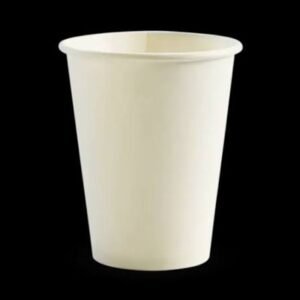
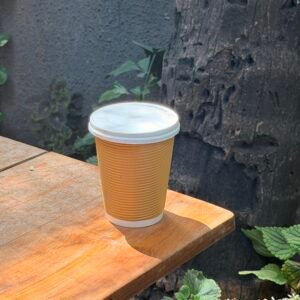
Industrial compostable
Aqua Edition Paper, coated with a water barrier — not plastic.
Almost all paper cups & containers hide a thin plastic lining, to make them leak-proof . The Aqua edition swaps that lining for a water-based aqueous coating.
- Made from
- Paper & a water-based, food-grade coating.
- Breaks down
- Industrially, in 12-24 weeks.
- No Plastic Lining
- No microplastics leaching into your food/drinks.
What it is
From paper pulp to a plastic-free cup.
Ordinary paper packaging has an added lining to hold liquids — and that lining is almost always plastic, even when the packaging is marketed as paper. Aqua Edition replaces it with paper packaging that handles food beautifully, without relying on conventional PE plastic lining.
- Paper Coating A water based coating is applied in place of the traditional plastic lining.
- Moulding The coated paper is transformed in the requisite form.
- Aqua Coating The quantum of coating is optimised to hold hot or cold drinks, foods.lid to base.
- Soil Breaks down industrially in 12-24 weeks.
Why it’s better
How Aqua Edition performs behind the counter.
- No plastic lining There's no hidden plastic film between the food and the cup.
- Holds hot and cold The coating is optimised for the purpose, and accordingly the product is customised.
- Leak Resistant Provides a barrier against moisture and helps maintain packaging integrity.
- Oil & Grease Resistant Helps prevent oily foods from soaking through the paper.
Aqua Edition vs. what’s sold as “eco”.
A lot of packaging is sold as green. Here is what each option is actually made of, and what happens to it after the meal.
| Ours Aqua Edition | BaselinePlastic | Sold as ecoPlastic-lined paper | Sold as ecoPlastic-coated paper | |
|---|---|---|---|---|
| Made from | Paper with a water-based coating | Oil or natural gas | Paper with a thin plastic film inside | Paper or board with a plastic coat |
| Plastic in it | None | All of it | A film on the side that touches food | A coat on the surface |
| Hot, oily food | Yes | Holds, but can soften and release chemicals when hot | Holds, but the plastic film touches your food | Holds, but the coat touches your food |
| Breaks down | Weeks to months | Doesn’t. Lasts centuries, as microplastics | The paper does; the film stays | The paper does; the coat stays |
| The real difference | No hidden plastic lining | Here for centuries after one meal | Plastic hidden inside paper | A plastic coat, sold as paper |
- Made from
- Aqua Edition: Paper with a water-based coating
- Plastic: Oil or natural gas
- Plastic-lined paper: Paper with a thin plastic film inside
- Plastic-coated paper: Paper or board with a plastic coat
- Plastic in it
- Aqua Edition: None
- Plastic: All of it
- Plastic-lined paper: A film on the side that touches food
- Plastic-coated paper: A coat on the surface
- Hot, oily food
- Aqua Edition: Yes
- Plastic: Holds, but can soften and release chemicals when hot
- Plastic-lined paper: Holds, but the plastic film touches your food
- Plastic-coated paper: Holds, but the coat touches your food
- Breaks down
- Aqua Edition: Weeks to months
- Plastic: Doesn’t. Lasts centuries, as microplastics
- Plastic-lined paper: The paper does; the film stays
- Plastic-coated paper: The paper does; the coat stays
- The real difference
- Aqua Edition: No hidden plastic lining
- Plastic: Here for centuries after one meal
- Plastic-lined paper: Plastic hidden inside paper
- Plastic-coated paper: A plastic coat, sold as paper
After use
What happens after the drink.
Animation: over 180 days in compost, Aqua Edition breaks down (in weeks to months) and a plant grows from the soil. The plastic next to it is unchanged.
- Empty the contents Tip out any leftover food or liquid
- Segregate Keep it separate from conventional plastic and non-compostable waste.
- It breaks down industrially Direct it to a commercial composting facility that accepts this type of certified packaging. Do not mix with recylable items.
Aqua Edition, answered.
It’s an aqueous (water-based) coating that replaces the thin plastic (PE) lining most paper cups use to hold liquid — so the cup stays paper through and through, with nothing petroleum-based touching your drink.
Our packaging is compostable, although the type and conditions vary by the product. Some are suitable for home composting, while others required industrial composting. We focus on practical, accessible alternatives to conventional plastic – choosing better materials today, while continuing to push for better options.
MOQs don’t have to be intimidating. Whilst they vary by product, we’ll do our best to find an option that works for your business. And if you’d like to commit to a larger quantity, we can hold agreed stock for you and release it as you need it — giving you the benefits of bulk buying without the storage headache.
Yes. We print on cups, boxes and bags, and supply labels, stickers and sleeves. If you don’t have artwork ready, we’ll help with the design.
Other materials
Every material we use, and why.
- Plates, bowls & containers Bagasse Sugarcane fibre left after juicing, pressed with heat. Holds hot, oily food without a plastic lining. Learn more
- Cups & Drinkware After Brew Edition Waste from coffee beans, once extracted, that have so much potential. Learn more
- Tableware – Plates & bowls Areca Leaf Areca palm leaves, washed and heat-pressed. No glue, no harsh chemicals. Learn more
- Straws CocoCraft Edition Dried coconut leaf, naturally water-resistant. Made by hand from leaves that would otherwise be burned or discarded. Learn more
- Cutlery Wood & Bamboo Responsibly sourced birch wood and bamboo. No plastic coating. Learn more
- Clear cups, lids & containers Polylactic Acid (PLA) Plant-based plastic made from corn or sugarcane starch. It is often used as it is flexible and clear like plastic. Learn more
Ready to switch to Aqua Edition?
Book a free 15-minute consultation. We’ll recommend the right range, price and delivery schedule for your menu. No commitment.